Protecting Your Paint From the Texas Sun
Sun damage is the single most common reason San Antonio vehicles look older than their mileage suggests.
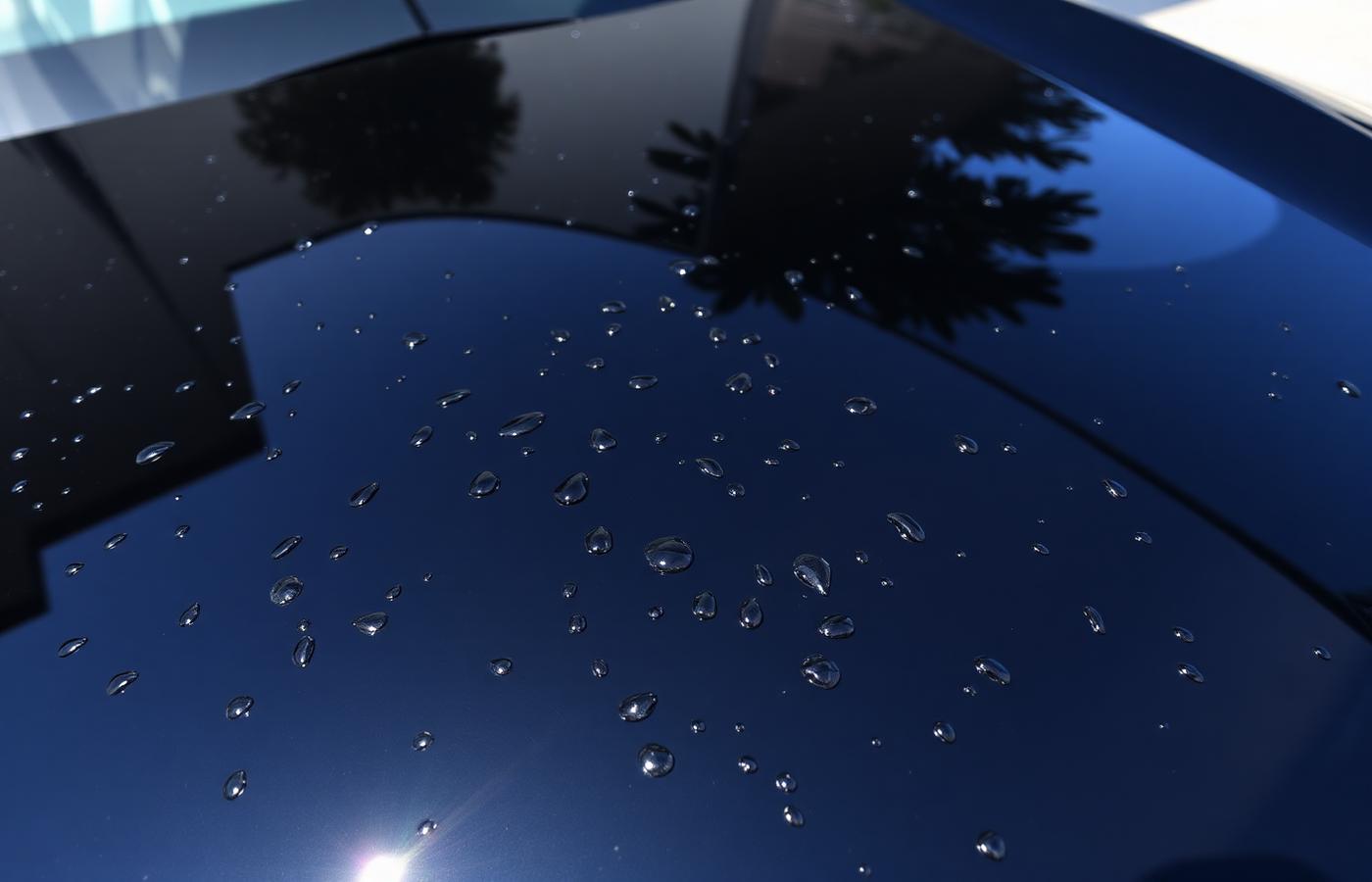
What UV actually does
Modern automotive paint is a coloured base coat under a clear protective layer, and that clear layer contains UV absorbers that sacrifice themselves protecting the colour beneath. Over years of intense exposure those absorbers deplete. The clear coat then begins to break down: first as a dulling and loss of gloss, then as chalky oxidation, and eventually as clear coat failure — the peeling patches you see on older red and black vehicles around the city.
Once the clear coat has failed, no detailing service fixes it. The panel needs repainting. Everything before that point is preventable, which is why protection is worth taking seriously here in a way it may not be elsewhere.
Heat makes everything else worse
A dark car parked in an open San Antonio lot in July reaches surface temperatures well beyond air temperature. That heat accelerates every chemical reaction happening on the paint: bird droppings etch faster, bug residue hardens and bonds, water spots bake into mineral deposits that need polishing rather than washing to remove.
It also drives interior degradation — dashboards crack, leather dries, adhesives fail and plastics outgas onto the inside of the windshield.
What actually helps
- **Park in shade or a garage where you can.** Nothing else you do comes close to this.
- **Keep a protective layer on the paint.** A sealant twice yearly, or a ceramic coating for multi-year protection.
- **Wash regularly and dry properly.** Hard water left to evaporate in sun creates etched mineral spots.
- **Remove droppings and sap immediately.** Hours matter here, not days.
- **Use a windshield sunshade.** It protects the dash, the wheel and the front seats.
- **Consider window tint.** Quality tint with high UV rejection substantially reduces interior heat and fading.
Do coatings really block UV?
A ceramic coating adds a hard, sacrificial layer over the clear coat and contributes some UV resistance, but the honest framing is this: it is a barrier that takes the abuse instead of the clear coat, and it makes contaminants far easier to remove before they can etch. It is not sunscreen, and it does not make shade unnecessary.
That said, on a vehicle that must live outdoors in this climate, a coating is the most effective single protective measure available. See is a ceramic coating worth it.
If damage has already started
Dulling and light oxidation can often be reversed with paint correction or a dedicated oxidation removal service, followed immediately by protection so it does not return. The key is catching it while the clear coat is still intact — once it starts peeling, it is a body shop job.
Common questions
- Do dark cars suffer more?
They run hotter and show defects more readily. Red pigments are the most prone to visible fade, but heat affects every colour.
- Is a car cover a good idea here?
Only a soft, well-fitting one used on a clean car. A loose cover flapping over dusty paint sands the finish.
- Can faded paint be restored?
If the clear coat is intact, usually yes through polishing. Once it is peeling, no — that requires repainting.
Keep reading
Would you rather we handled it?
We detail vehicles at homes and workplaces across San Antonio, seven days most weeks.