Exterior Detailing in San Antonio
A safe wash, wheels and tires done first, bonded contamination removed, and a protection layer chosen around how and where the vehicle actually lives.
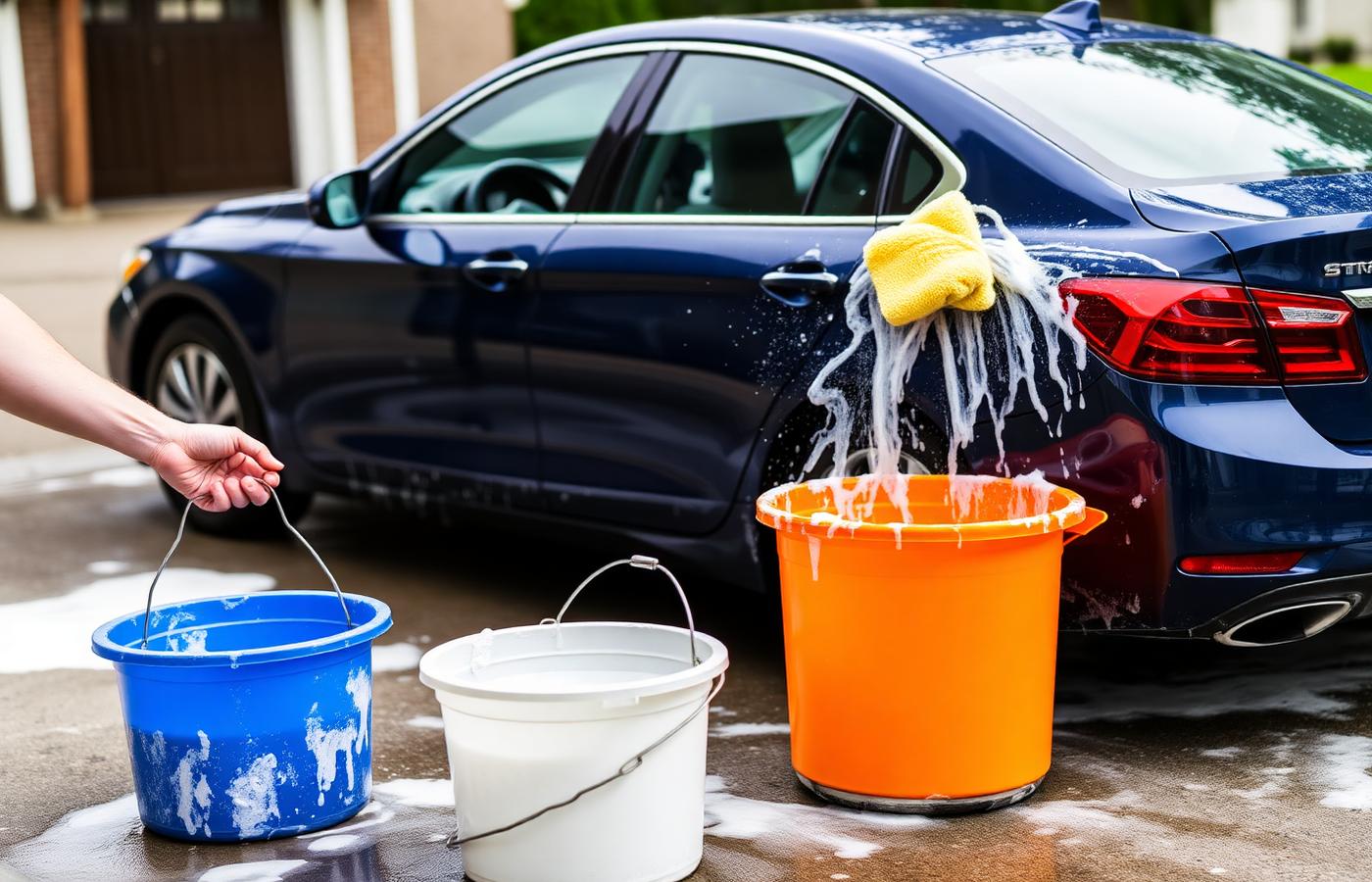
Washing and exterior detailing are different jobs
A wash removes what soap and water will lift. Exterior detailing addresses what stays behind after the wash: brake dust sintered into the wheel face, road film along the lower doors and behind the rear wheels, bug residue etched into the front bumper, tree sap under a live oak, and the industrial fallout you can feel as roughness when you run clean fingertips over clean paint.
That distinction is why a vehicle can look clean and still be contaminated. Contamination is what stops wax or a coating from bonding, and it is what makes paint look flat even after it has just been washed.
The process, in order
Wheels, tires and wheel wells first, always. They carry the heaviest and most aggressive contamination on the vehicle, and cleaning them after the paint drags brake dust across finished panels.
The wash itself is a controlled hand wash with clean media and separate rinse water. Most swirl marks in a clear coat were not created by the road — they were created during washing, by dirty mitts, recycled water and the spinning brushes in automatic tunnels.
Then decontamination. Chemical decon dissolves bonded iron particles and tar. Clay bar treatment shears off whatever remains when the surface still feels gritty. Water spots from sprinkler overspray — common in neighborhoods with irrigation systems running hard through the summer — are treated separately because mineral deposits etch into the clear coat rather than sitting on it.
Only then does protection go on. That is wax for short-term gloss and warmth, a paint sealant for several months of durability, or a ceramic coating for multi-year performance.
Choosing a protection step for San Antonio conditions
The right answer depends on where the vehicle sits. A garage-kept weekend car does fine on a carnauba wax refreshed a few times a year. A daily driver that lives in an uncovered driveway or an open office lot is under UV load nearly every day of the year, and wax simply does not survive that for long — a sealant or a coating earns its cost quickly.
Our guide on protecting car paint from the Texas sun covers the tradeoffs in more depth, including why parking choices often matter more than product choices.
What exterior detailing will not fix
Exterior detailing cleans and protects the surface. It does not level defects. Swirl marks, wash marring, hazing and oxidation are removed by polishing, which is paint correction. Rock chips are missing paint and cannot be polished away. Deep scratches you can catch a fingernail in have gone through the clear coat and need refinishing, not detailing.
A properly washed, decontaminated and waxed car with swirled paint will look considerably better than it did — and the swirls will still be there in direct sun.
Common questions
- How often should the exterior be detailed?
Full decontamination once or twice a year suits most daily drivers here, with regular washing in between. Vehicles parked under trees or near heavy construction need it more often. See how often to detail your car.
- Can you detail the exterior in direct sun?
It is workable but not ideal — panels get hot enough that water and products flash off before they can be worked properly. Shade, a garage or an early morning slot gives a better result in summer.
- Is clay bar treatment always needed?
No. It is needed when the paint still feels rough after washing and chemical decon. On a well-maintained, recently coated vehicle it usually is not.
Related pages
Book exterior detailing in San Antonio
We come to your home, apartment or workplace anywhere in the San Antonio area.