Paint Correction in San Antonio
Machine polishing that removes defects from the clear coat rather than concealing them, with an honest assessment of how far a given panel can safely go.
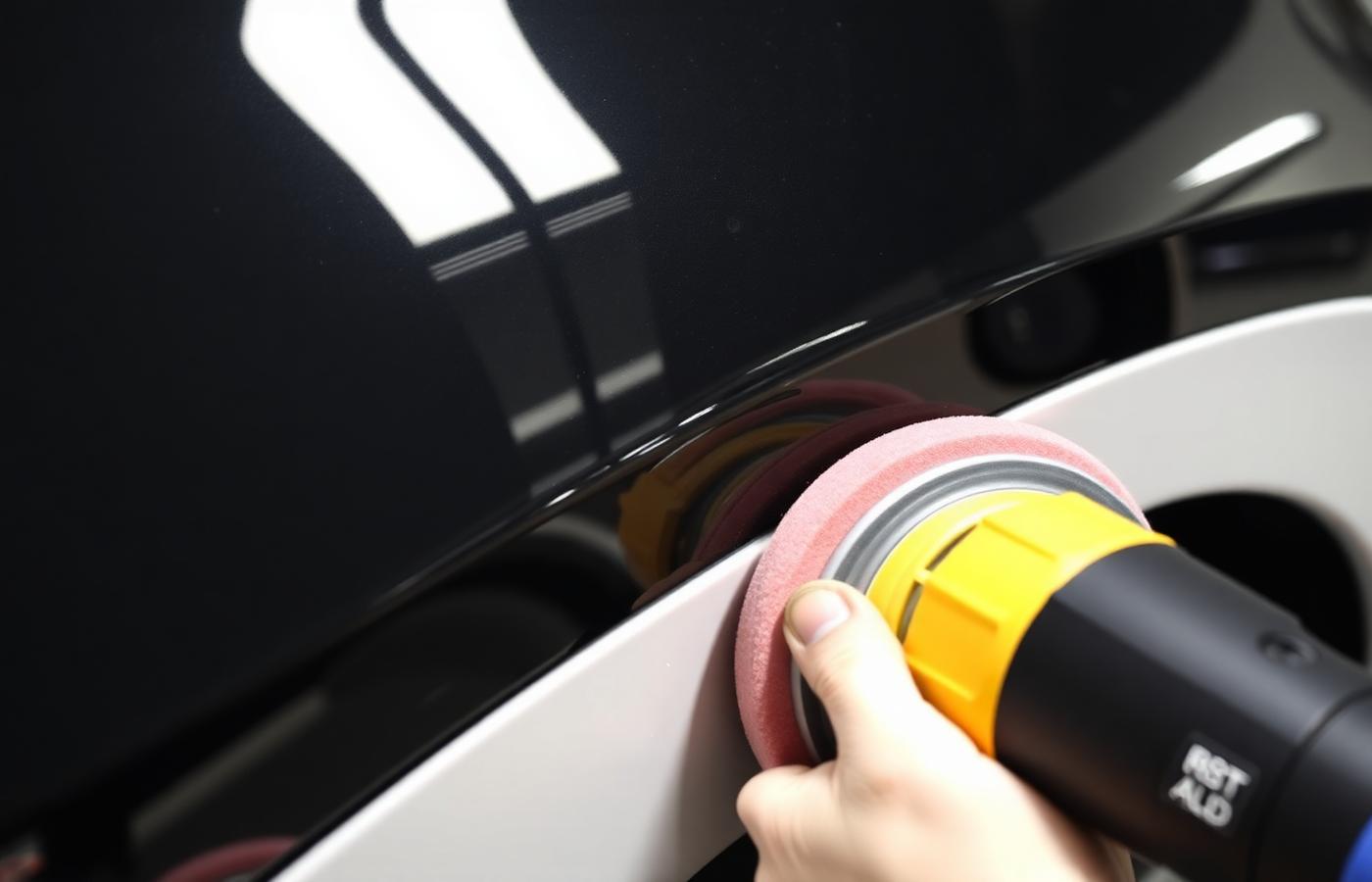
What paint correction is
Automotive paint is layered: primer, base color, and a clear coat on top that carries the gloss and most of the UV defense. Almost every defect people want removed — swirl marks, wash marring, light scratches, hazing, holograms from a previous polish, and the chalky dullness of oxidation — lives in that clear coat.
Correction removes a controlled amount of clear coat with abrasives on a machine polisher until the surface is level and the defect no longer exists. That is fundamentally different from a glaze or a filler-heavy product, which sits in the defect and hides it for a few washes before the water finds its way back out.
Because clear coat is finite, correction is finite too. A vehicle can be corrected several times over its life; it cannot be corrected endlessly. Good correction removes only what is needed to clear the defect and no more.
Single stage versus multi stage
A single-stage polish uses one combination of pad and abrasive to remove the majority of light defects. On a well-kept two- or three-year-old daily driver, this is usually the right call: it removes most wash marring, restores considerable gloss, and does not take more clear coat than necessary.
A multi-stage correction starts with a compounding step to cut through heavier damage, followed by one or more refining steps to remove the haze that compounding leaves behind. This is what neglected finishes, heavily oxidized paint and vehicles with years of tunnel-wash damage require.
The difference in outcome is real and so is the difference in hours. We would rather scope it accurately than promise a perfect finish on a single-stage budget.
What San Antonio does to paint
Two forces dominate here. Ultraviolet exposure is relentless — vehicles parked outdoors accumulate UV load nearly year-round, and over time that degrades the clear coat's resin and produces the flat, chalky look of oxidation, especially on red, black and older single-stage finishes.
Heat is the second. Hot panels make everything worse: contamination bonds harder, water spots etch faster, and bird droppings and bug residue can etch a mark into clear coat within hours rather than days. Both are why correction here is frequently paired with a durable protection step rather than a wax.
Realistic expectations
Correction cannot remove what it cannot reach. If you can catch a fingernail in a scratch, it has gone through the clear coat, and polishing to that depth would remove too much material — that is a refinishing job for a body shop. Rock chips are missing paint. Sanding scratches from a previous repair, deep key marks and damage into the base color are similarly outside what polishing can safely address.
What correction does deliver on a typical vehicle: the removal of most or all wash swirling, a substantial increase in reflection clarity and depth, and a surface that is properly prepared for protection. See paint correction vs polishing for how the terms differ.
Correction before coating
A ceramic coating is transparent and semi-permanent. It preserves whatever is underneath it, including swirls. Applying a multi-year coating over defective paint locks those defects in for the life of the coating, and removing them later means polishing the coating off first.
That is why correction and coating are usually quoted together. If the budget only covers one, correction first and a paint sealant as interim protection is a more sensible sequence than a coating over damaged paint.
Common questions
- Will paint correction remove all my scratches?
It will remove defects that sit within the clear coat, which covers most swirl marks and light scratches. Anything deep enough to catch a fingernail has gone through the clear coat and cannot be safely polished out.
- How long does correction take?
A single-stage polish on a sedan is generally a full day. Multi-stage work on a larger or heavily damaged vehicle can run two days. It is not an add-on to a two-hour appointment.
- Can correction be done outdoors at my home?
Yes, given shade or a garage. Direct sun makes panels too hot to work polish properly, so summer correction appointments are usually planned around a covered space or an early start.
- How often can a car be corrected?
There is no fixed number, but each correction consumes clear coat. Protecting and washing correctly afterwards is what keeps a vehicle from needing it repeatedly.
Related pages
Book paint correction in San Antonio
We come to your home, apartment or workplace anywhere in the San Antonio area.