Removing Odors From a Car Interior
Odour is a physical source somewhere in the cabin. Until it is removed, everything else is perfume over the problem.
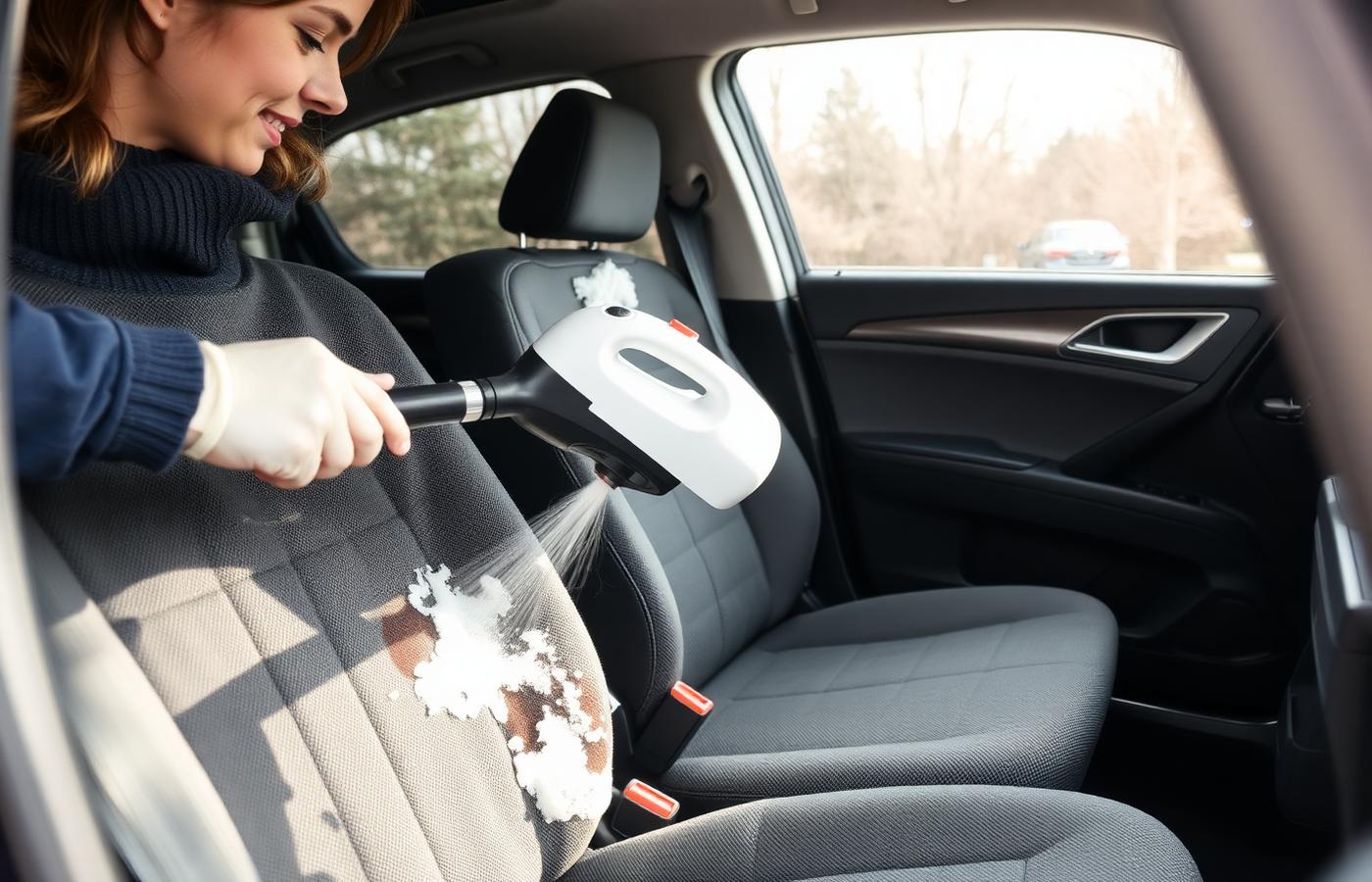
Heat makes it worse here
A sealed car in San Antonio summer becomes an oven, and heat drives volatile compounds out of whatever is producing the smell. A spill that seemed minor in March becomes overwhelming in July. This is also why an odour that seems solved often returns on the first hot afternoon — the source was still there, just cool.
Humidity compounds it. Moisture trapped in carpet padding under a hot floor pan is ideal conditions for mildew, which is one of the hardest odours to shift.
Find the source first
- **Spilled liquid** soaked into carpet padding, often under a mat where it was never visible.
- **Food** under seats or wedged in seat rails.
- **Pet dander and hair** embedded in upholstery.
- **Smoke residue** on every surface including the headliner, which absorbs it thoroughly.
- **Mildew** from a leak, a wet floor, or the air conditioning evaporator.
- **A saturated cabin air filter,** often overlooked and cheap to replace.
The process
Remove the source physically. That means hot-water extraction of carpets and upholstery — often several passes — with an enzyme treatment for organic contamination, since enzymes break down the compounds rather than covering them. Hard surfaces, including the headliner in smoke cases, are cleaned individually.
The ventilation system is treated separately, because the evaporator behind the dash harbours bacterial growth that recirculates smell every time the air conditioning runs. Cleaning the interior and ignoring the vents solves half the problem.
Only after all of that does a final treatment such as ozone or a chlorine dioxide process make sense, to neutralise what remains in places nothing can reach. Used as a shortcut instead of cleaning, these treatments are temporary.
Realistic expectations
Food, drink and pet odours are almost always fully resolvable. Heavy long-term smoke is the hard case: nicotine residue penetrates the headliner, foam and plastics, and while a dramatic improvement is achievable, complete elimination sometimes is not. Mildew depends on whether the moisture source has been fixed — treating the smell while a leak continues is wasted effort.
Common questions
- Do ozone treatments work?
As a final step after cleaning, yes. As a substitute for cleaning, no — the odour returns when the source warms up again.
- Why does the smell come back in summer?
Because the source was masked, not removed. Heat re-releases it.
- Can you get smoke smell out completely?
Usually a large improvement. On heavily smoked vehicles, complete removal is not always achievable and we will say so upfront.
Keep reading
Would you rather we handled it?
We detail vehicles at homes and workplaces across San Antonio, seven days most weeks.