Removing Stains From Car Upholstery
Different stains need different chemistry. Using the wrong approach usually sets the stain permanently.
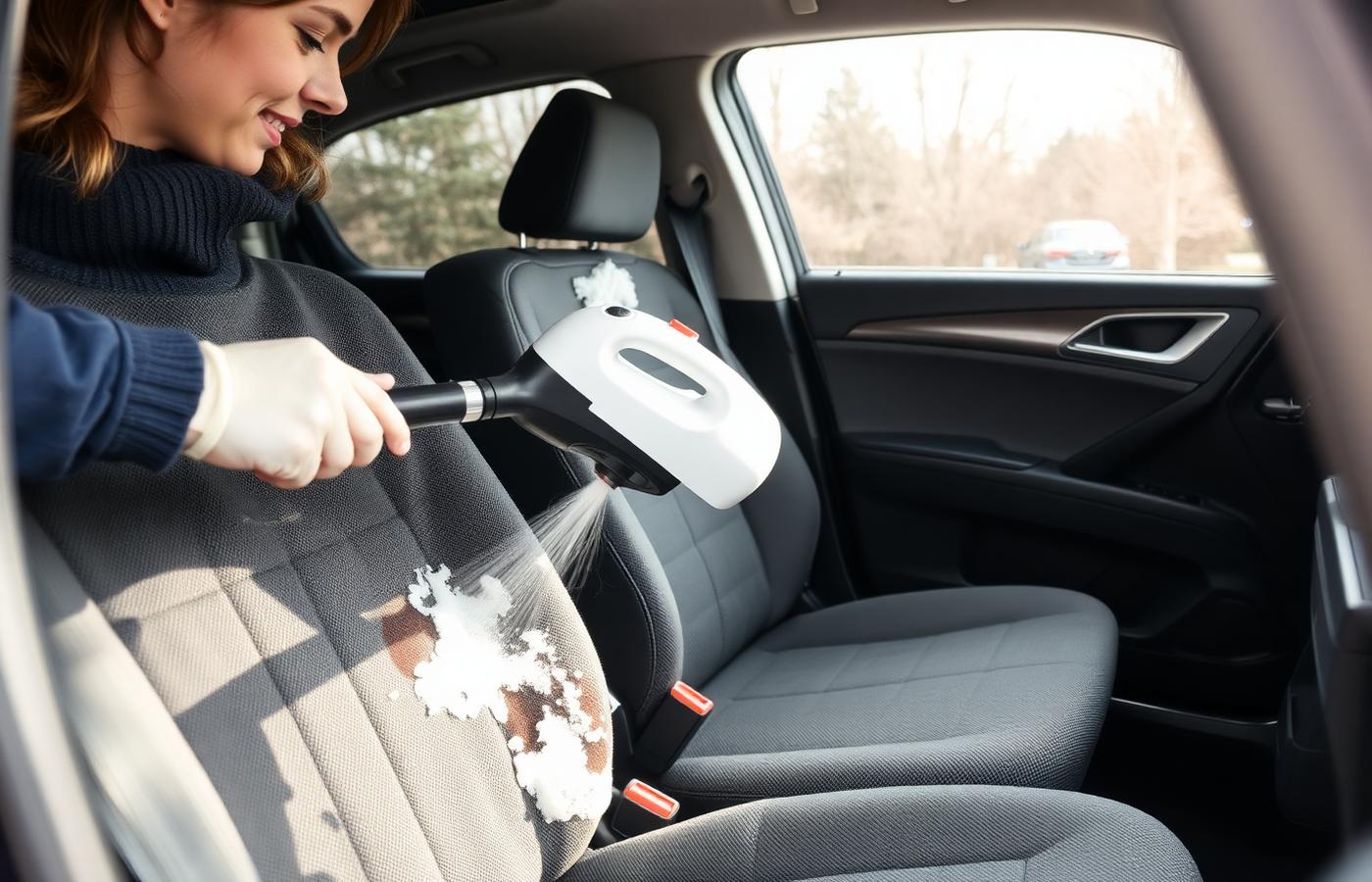
First principles
Blot, never rub — rubbing drives the contaminant deeper into the fibre and abrades the pile. Work from the outside of the stain inward so it does not spread. Test any product in a hidden area first. And never apply heat to a protein or sugar stain, because heat sets both.
The most important rule locally: a spill that dries in a hot car is far harder to remove than one addressed immediately. Summer cabin temperatures effectively cook a stain into the fibre within a day.
By stain type
- **Coffee and soda.** Blot immediately, then a mild detergent solution. Sugar residue attracts new dirt, so it must be extracted, not just lightened.
- **Grease and oil.** A dedicated degreaser or citrus-based cleaner; water alone does nothing. Repeat gently rather than scrubbing once hard.
- **Ink.** Isopropyl alcohol on a cloth, dabbing only. Aggressive work spreads it dramatically.
- **Blood and other protein.** Cold water only. Warm water sets it permanently.
- **Sunscreen.** Very common here and genuinely stubborn — the oils bond to fabric and to vinyl. Needs a solvent-based approach and patience.
- **Vomit and urine.** Enzyme cleaner, then extraction. Without enzymes the odour survives the cleaning.
- **Mud.** Let it dry completely, vacuum the solids, then treat what remains. Wet mud smears into the weave.
Leather is different
Do not use fabric stain removers or all-purpose cleaner on leather — they strip the protective topcoat and leave a patch that ages differently from the surrounding hide. Use a dedicated leather cleaner and follow with conditioner. Dye transfer from dark clothing onto light leather is a specific problem and needs a dedicated product.
When to stop and call
Home cleaning fails on stains that have penetrated to the foam or padding, because surface treatment cannot reach them and adding more liquid without extraction creates a mildew problem instead. Hot-water extraction pulls the contaminant and the cleaning solution back out, which is the part no household method replicates.
Old, set, or repeatedly-treated stains are also worth handing over — each failed attempt makes the next one harder.
Common questions
- Can every stain be removed?
No. Dye stains, bleach damage and long-set staining sometimes lighten rather than disappear. We will tell you honestly what to expect.
- Is a household carpet cleaner safe in a car?
Automotive fabrics differ from home carpet and many products are too aggressive. Test first, and avoid over-wetting.
- Why did my stain come back?
Wicking. Contaminant remaining in the padding rises as the carpet dries. Proper extraction prevents it.
Keep reading
Would you rather we handled it?
We detail vehicles at homes and workplaces across San Antonio, seven days most weeks.